All Programs
Explore our dive training programs. Click any course to learn more and enroll.
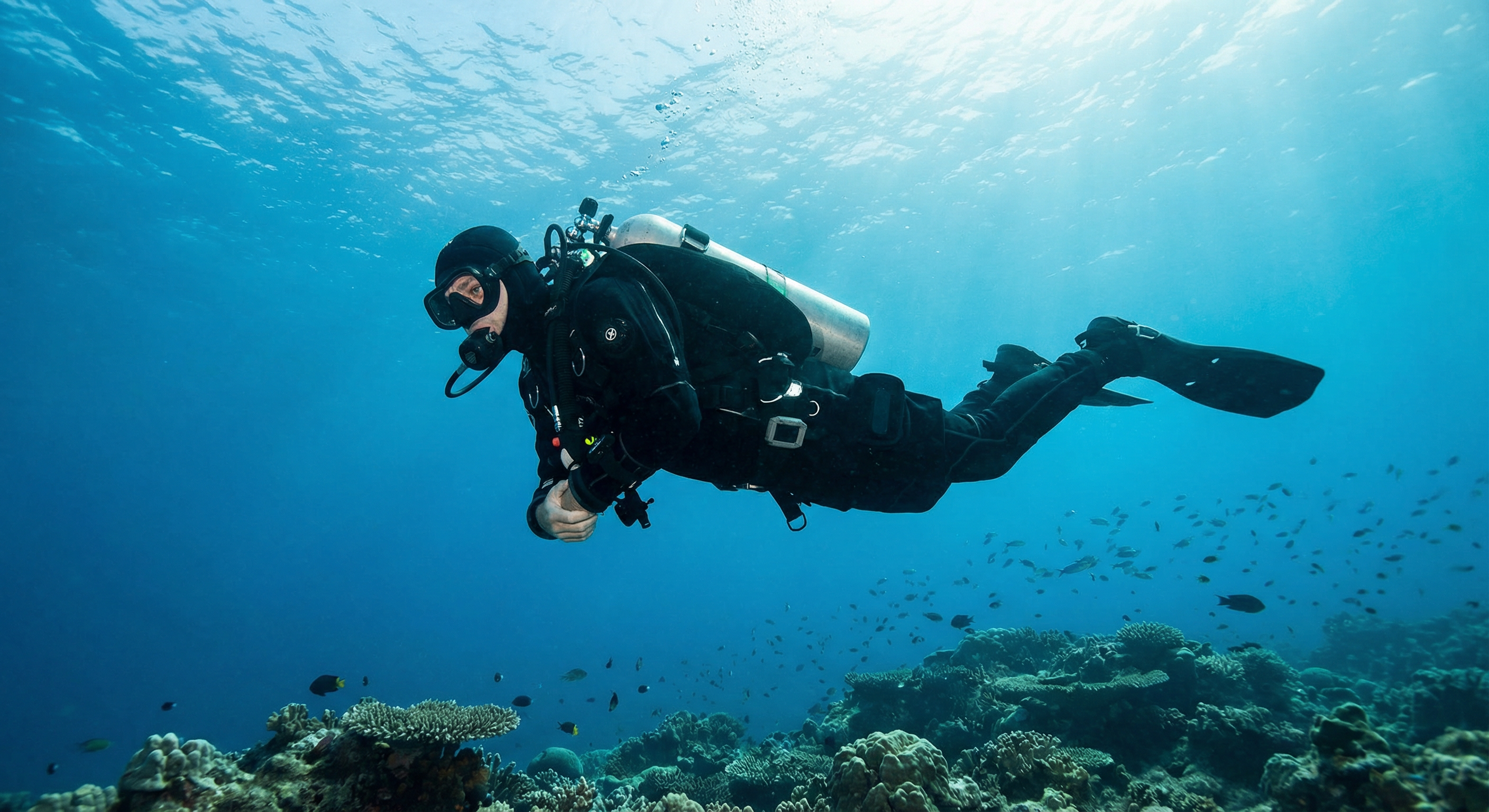
Altitude Diver
The Altitude Diver course teaches you how to safely plan and conduct dives at elevations typically above 1,000 feet where reduced atmospheric pressure changes how your dive computer and tables calculate no-decompression limits. You’ll learn how altitude affects buoyancy, gas management, and decompression theory, how to properly adjust or set your dive computer, and how to plan repetitive dives in mountain lakes and quarries. This program includes academic review and at least two open water dives, giving you the knowledge and hands-on experience to dive high-elevation environments with confidence and precision.
Basic Diver
This course is designed for new divers who want a structured introduction to scuba without committing to a full certification. You'll learn fundamental dive theory, equipment use, and core in-water skills in a controlled environment. It's ideal for building confidence, learning proper techniques, and deciding if you want to continue your dive training.
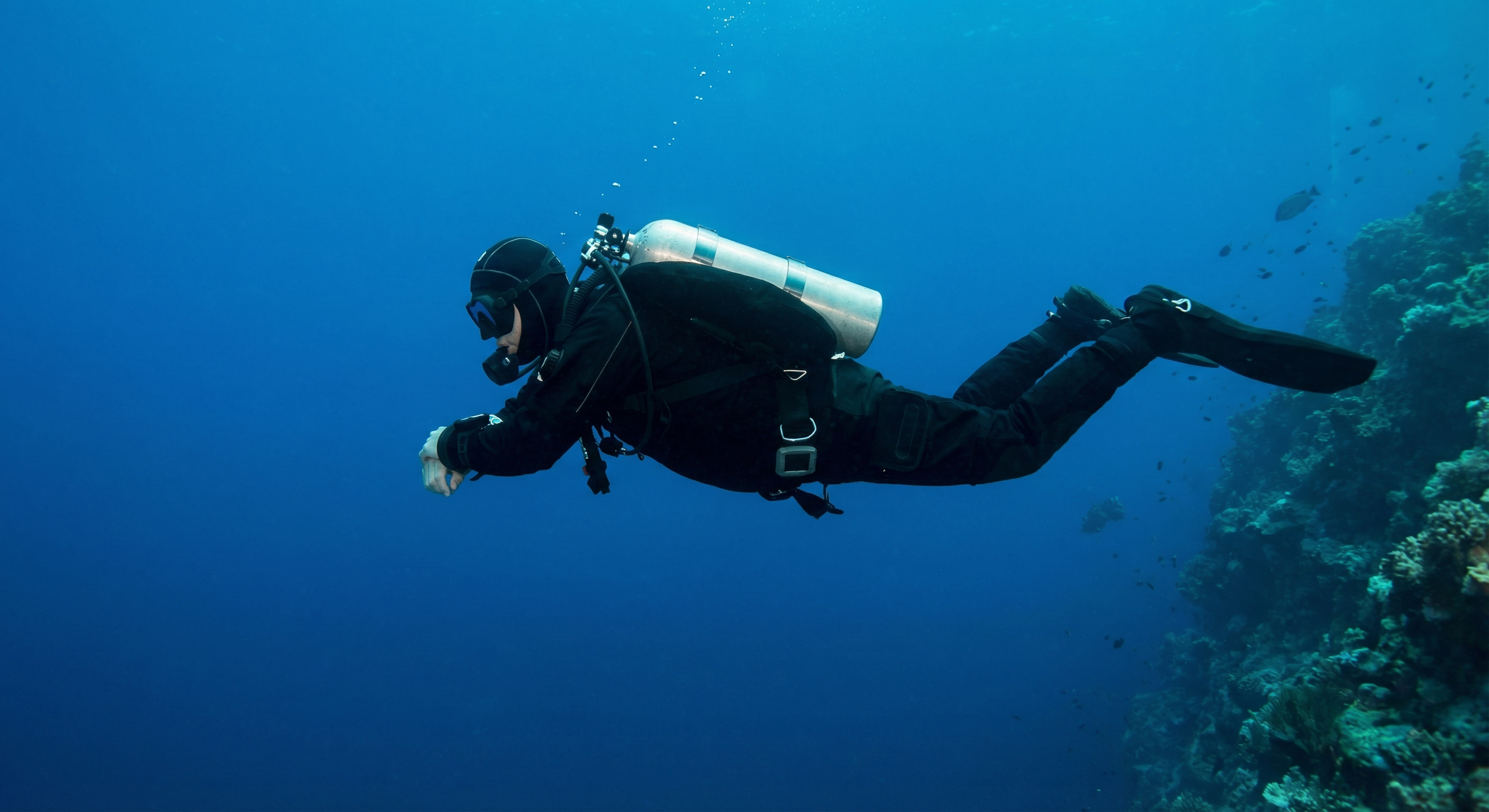
Decompression Diver
Decompression Diver specialty certification program.
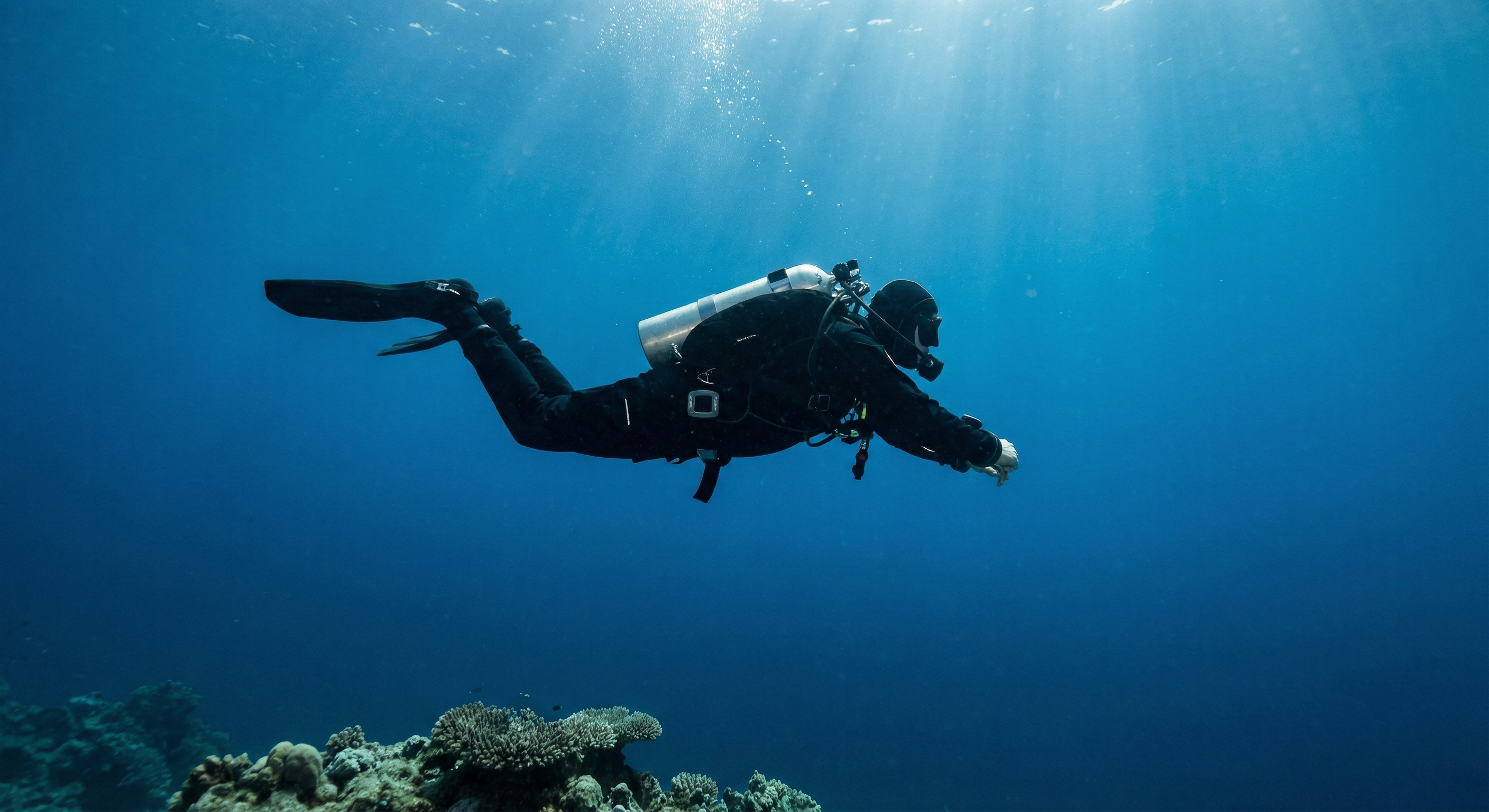
Deep Diver
The Deep Diver course prepares you to safely plan and execute dives beyond 60 feet, expanding your range while sharpening your discipline. You’ll cover gas management at depth, narcosis recognition and mitigation, ascent planning, safety stop strategy, and proper use of dive computers and backup timing devices. Through structured training dives—typically progressing to 100–130 feet you’ll develop controlled descents, precise buoyancy at depth, and solid decision-making under increased pressure, giving you the confidence and competence to explore deeper environments responsibly.
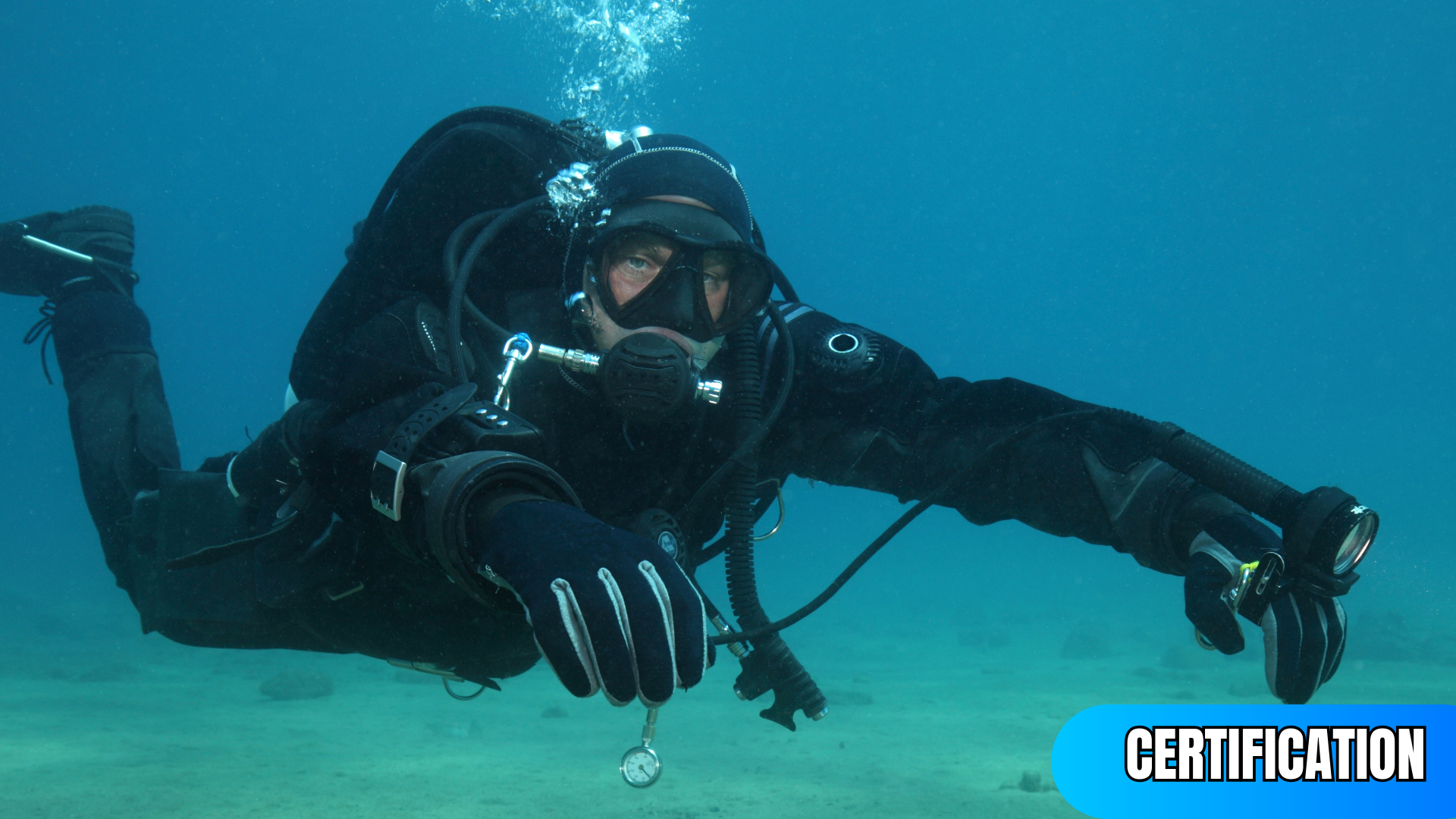
Dry Suit Diver
The Drysuit Diver course teaches you how to stay warm, comfortable, and in control when diving in cold water. You’ll learn proper drysuit selection and fit, inflation and exhaust valve use, buoyancy management with both your BCD and suit, emergency procedures, and how to prevent and handle common issues like feet-first ascents or air migration. Through confined practice and at least two open water dives, you’ll develop precise buoyancy control and confidence in cooler environments—extending your dive season and opening access to quarries, lakes, and cold-water destinations year-round.
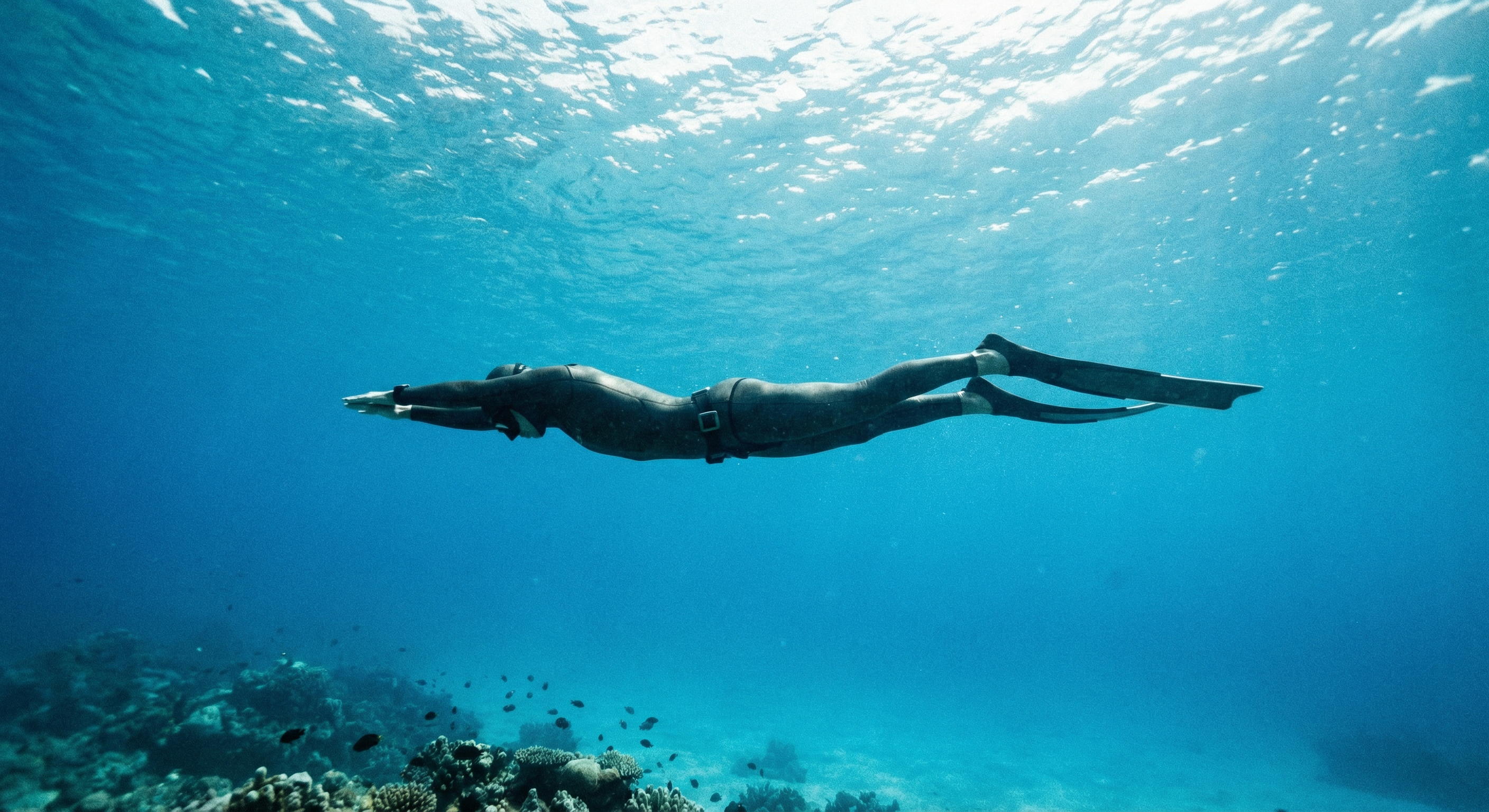
Freediver Foundations
Freediver Foundations - try freediving
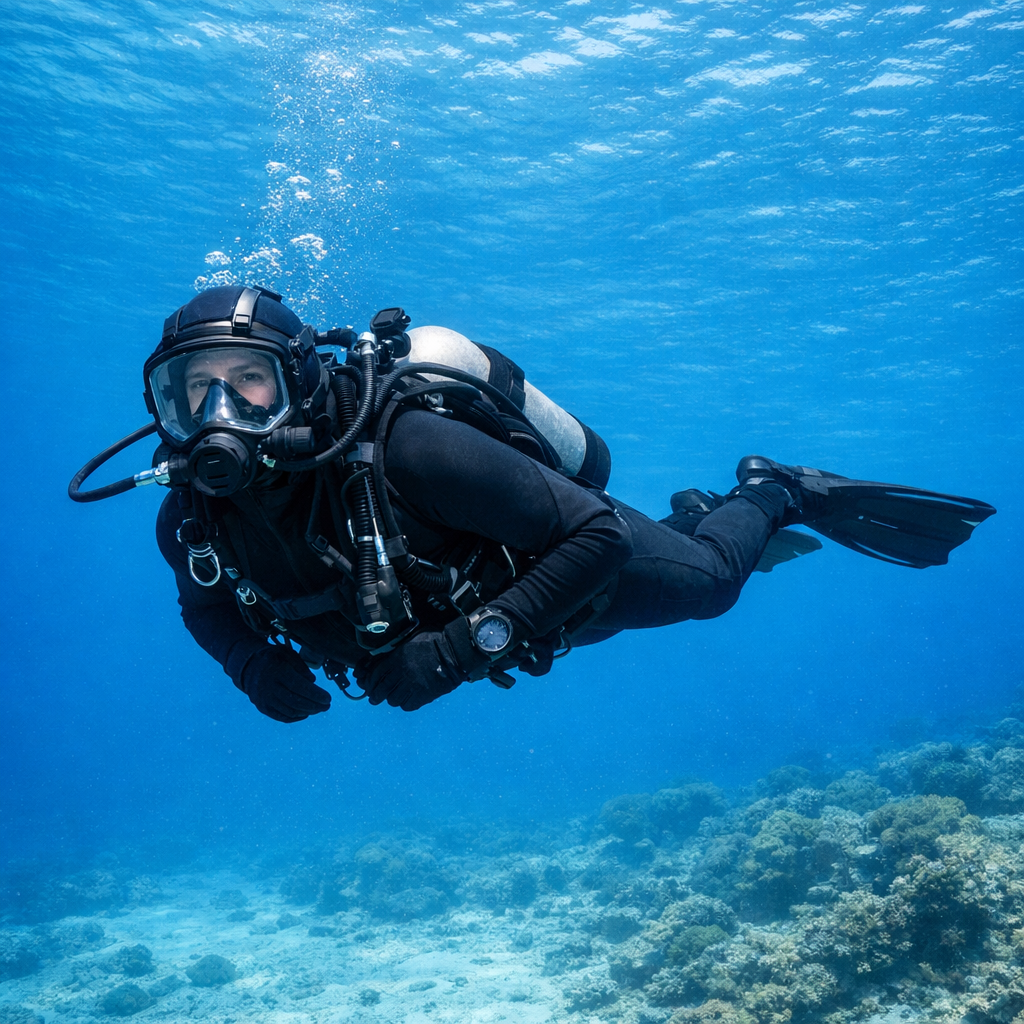
Full Face Mask Diver
Full Face Mask Diver specialty certification program.
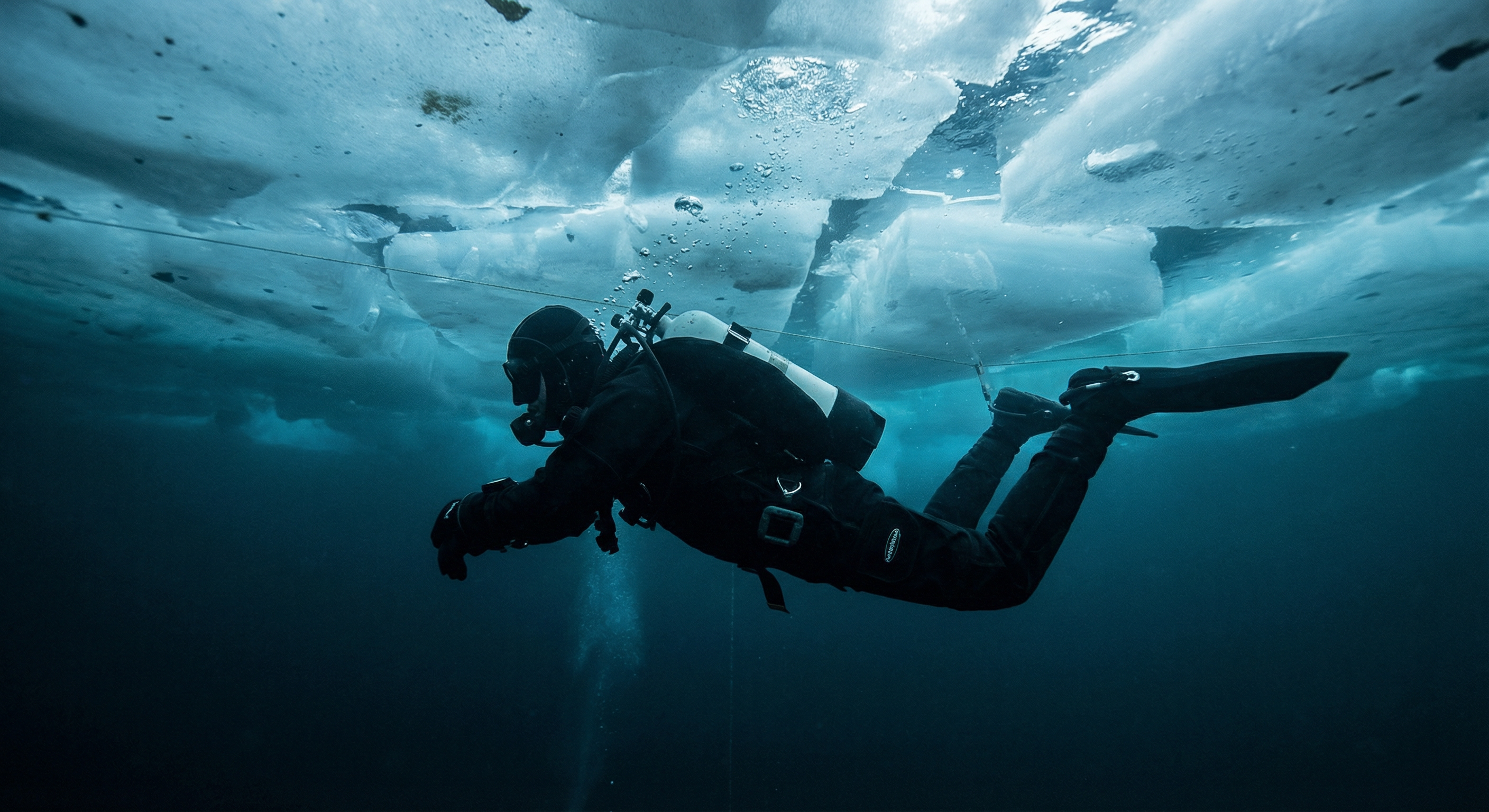
Ice Diver
Ice Diver specialty certification program.
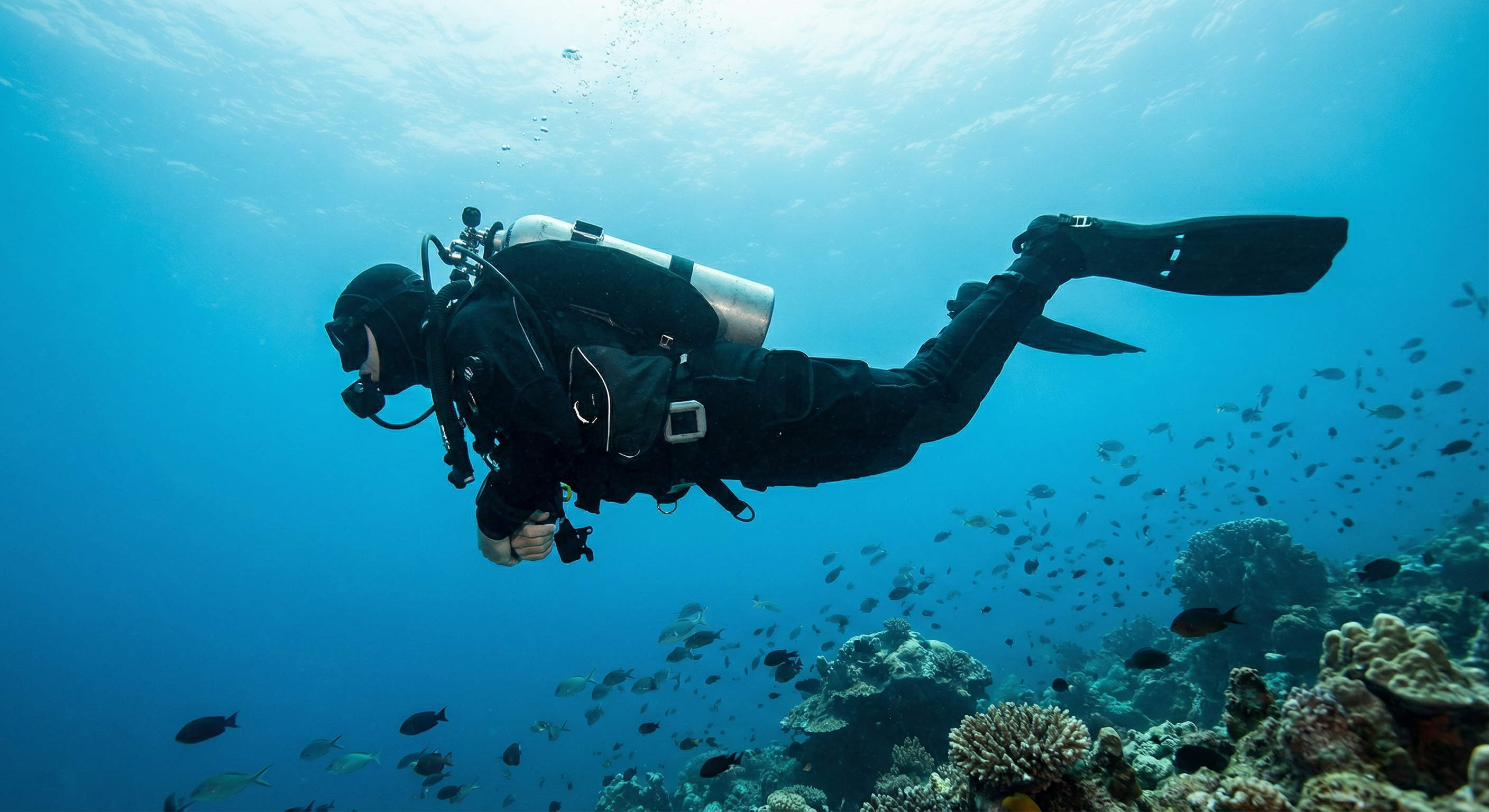
Independent Diver
Independent Diver specialty certification program.
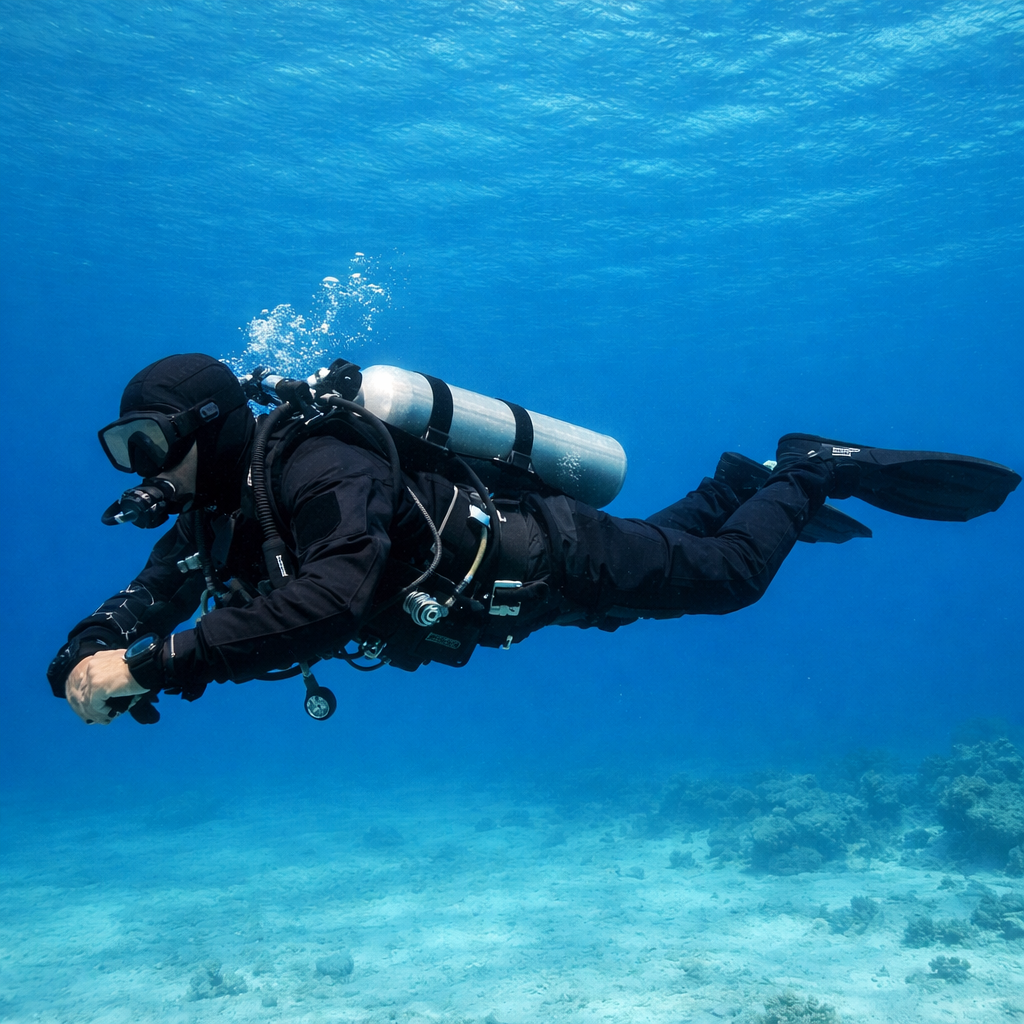
Intro To Tech
This program combines classroom learning, confined water sessions, and open water dives. Small group sizes and experienced instructors ensure a supportive environment.
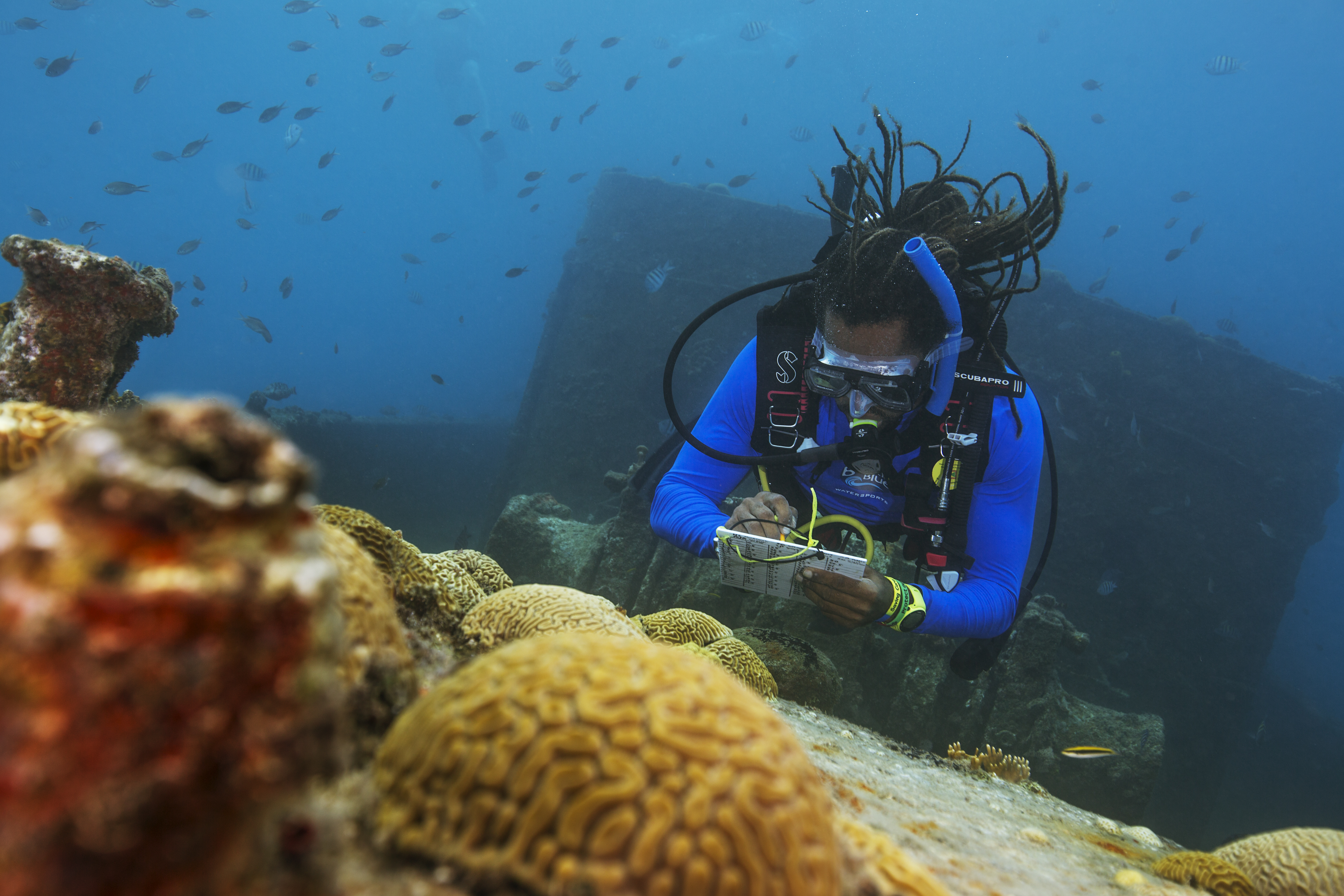
Navigation Diver
Navigation Diver specialty certification program.
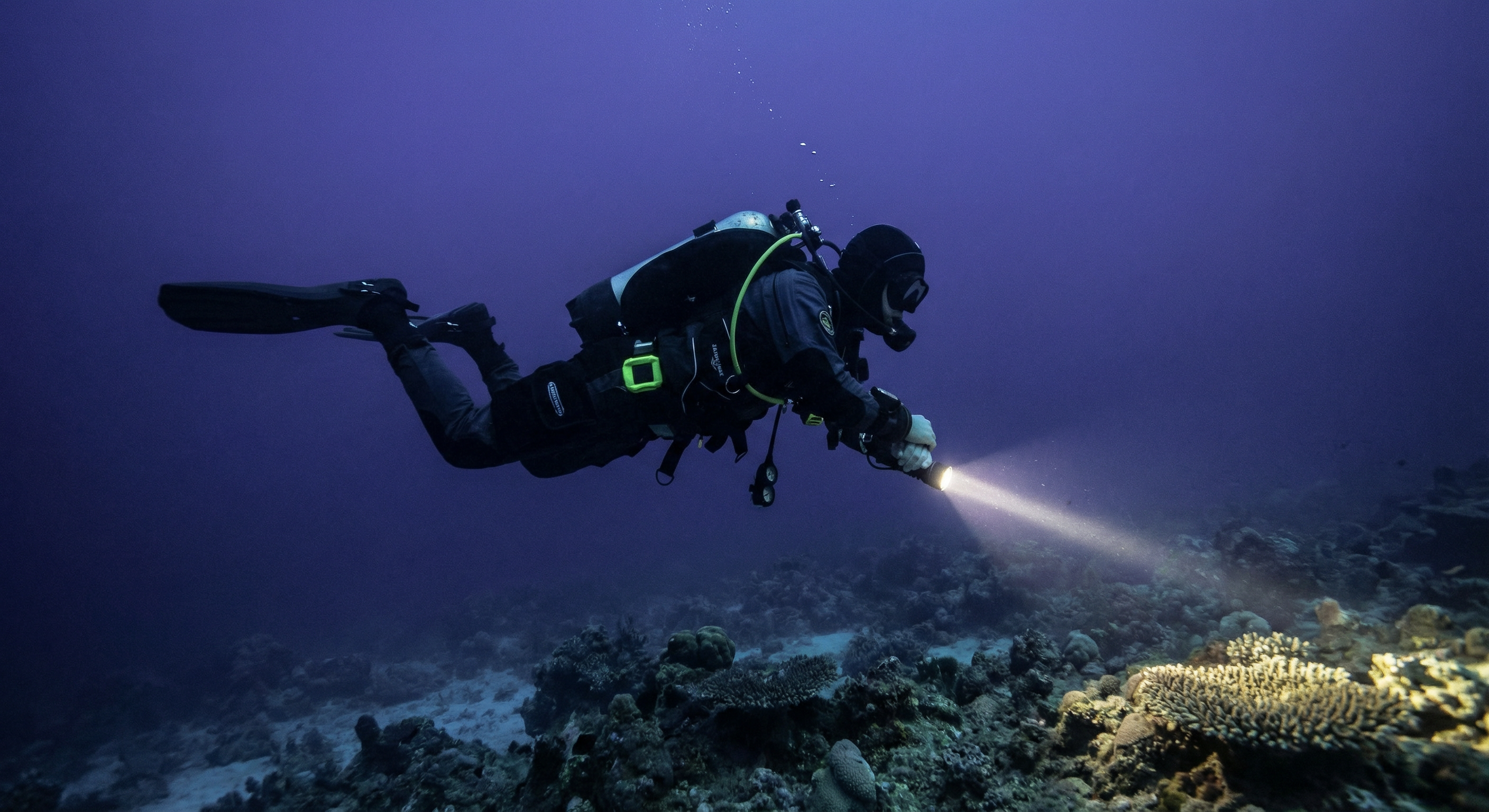
Night & Limited Visibility Diver
Night & Limited Visibility Diver specialty certification program.
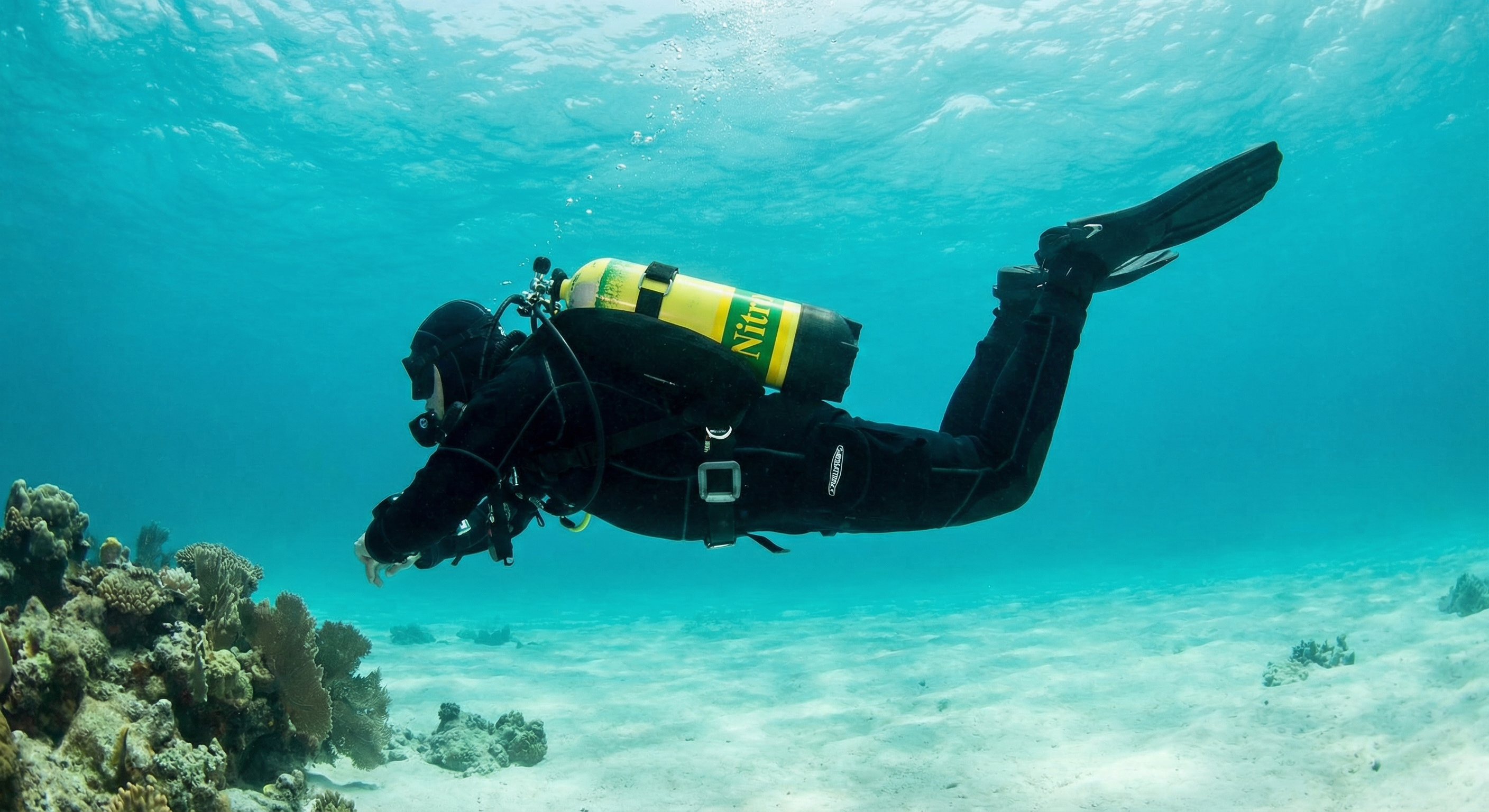
Nitrox Diver
This program combines classroom learning, confined water sessions, and open water dives. Small group sizes and experienced instructors ensure a supportive environment.
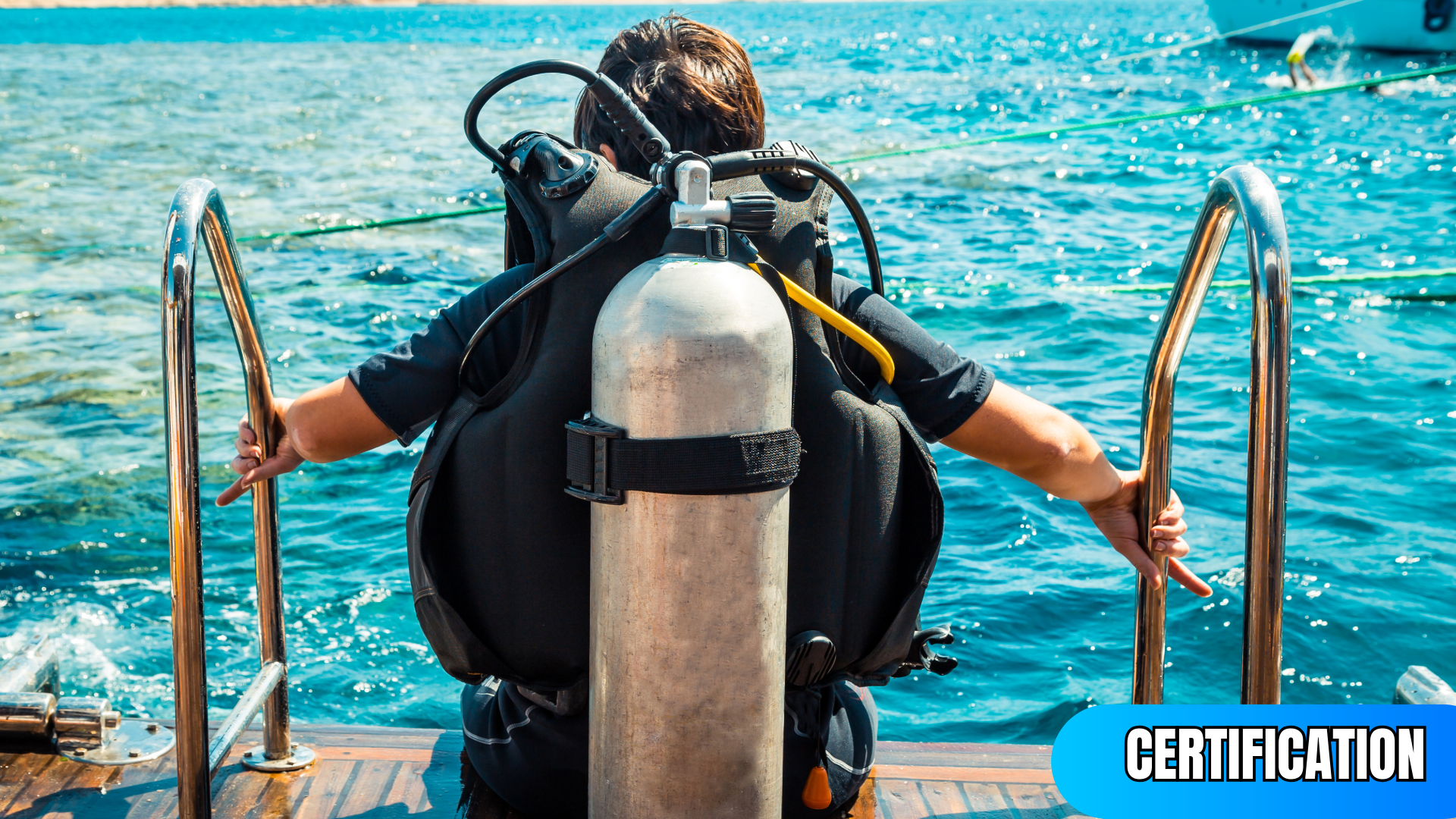
Open Water Diver
This is the foundational scuba certification course that teaches you how to plan and conduct open water dives safely. Training covers dive theory, equipment setup, buoyancy control, problem management, and real-world diving skills. Upon completion, you'll be qualified to dive independently with a buddy within recreational limits.
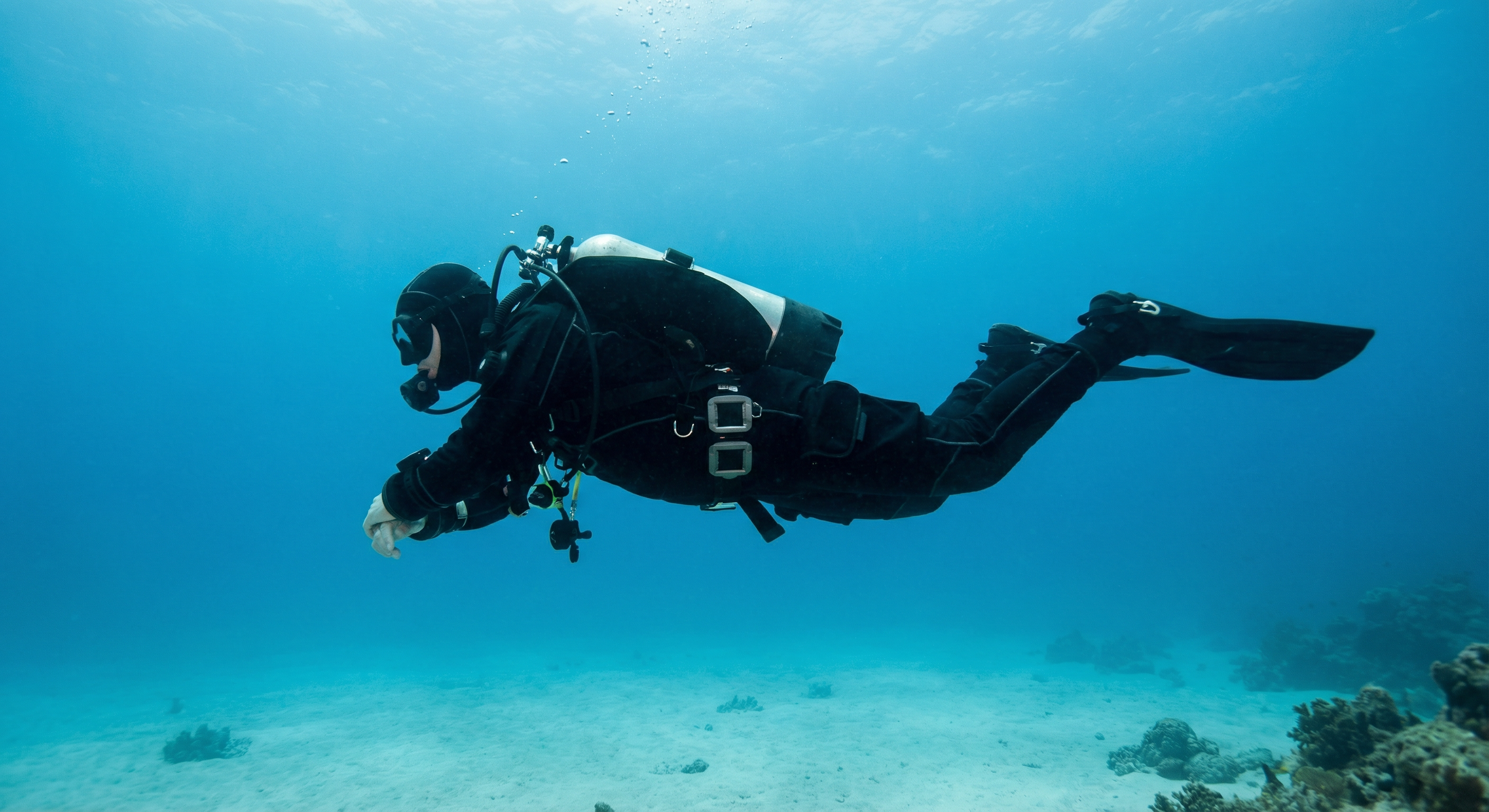
Perfect Buoyancy Diver
Perfect Buoyancy Diver specialty certification program.
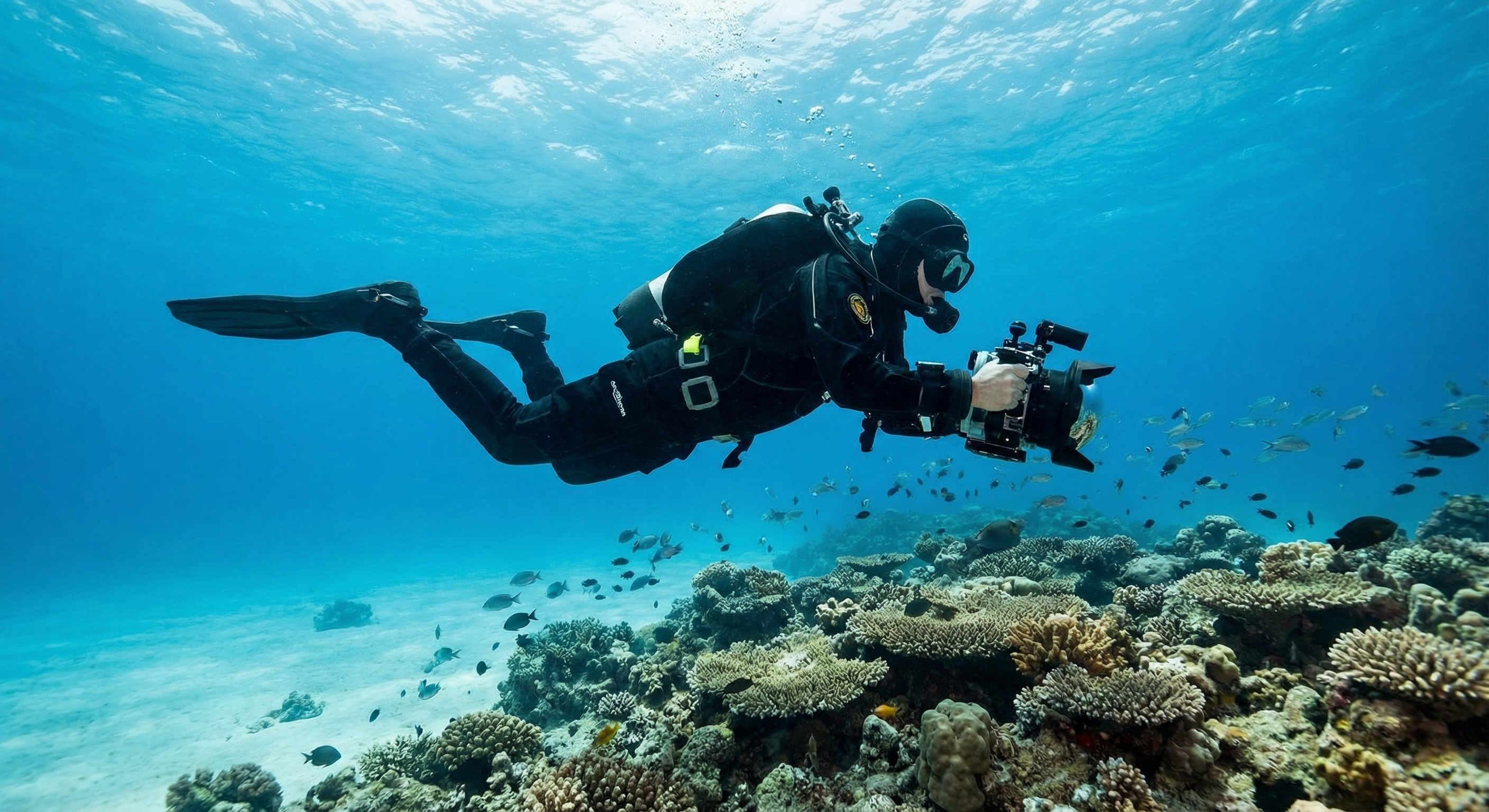
Photo & Video Diver
Photo & Video Diver specialty certification program.
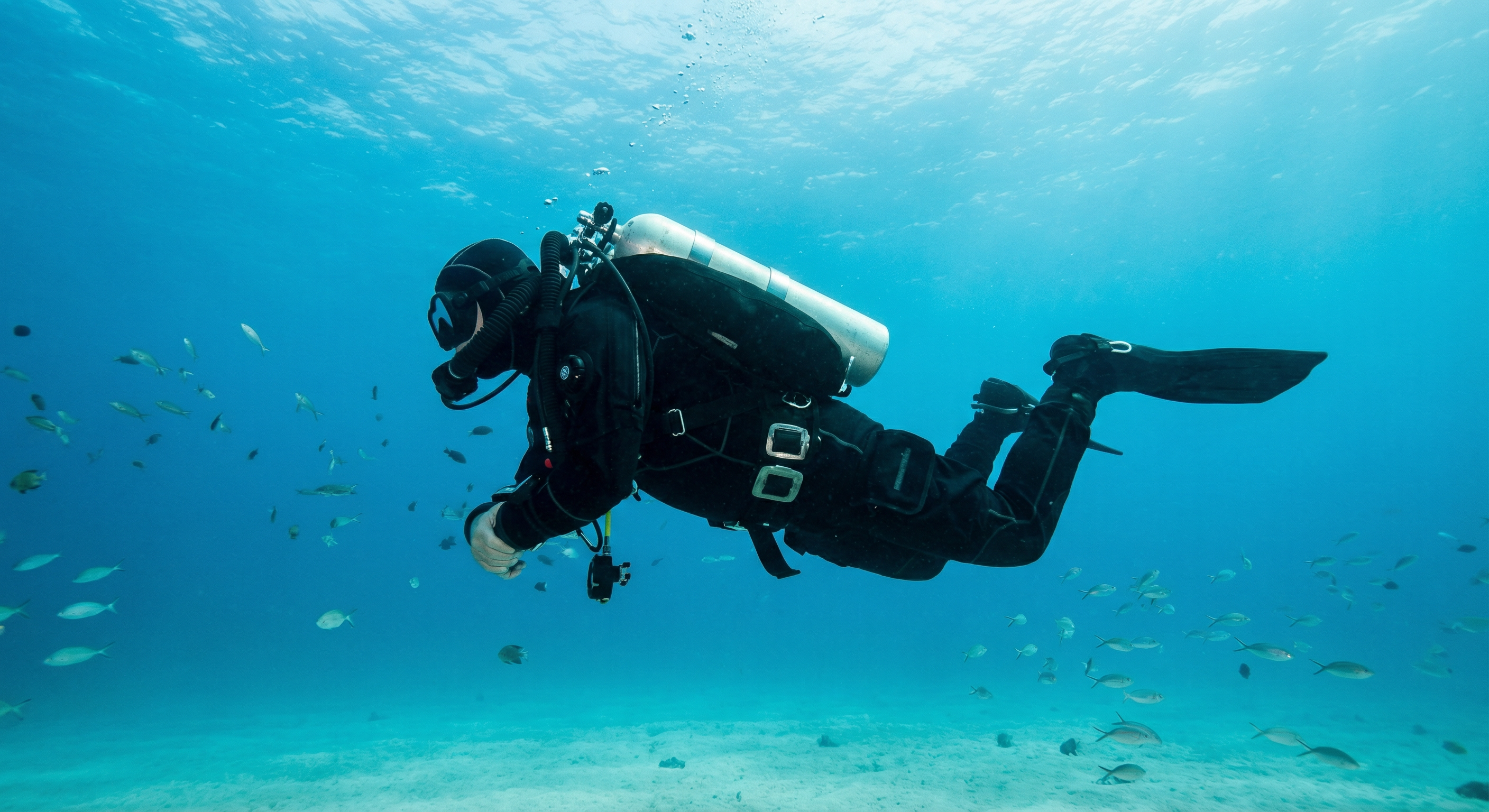
Rebreather Foundations
Rebreather Foundations gives the diver the chance to discover the Hollis Prism 2 in Confined Water.
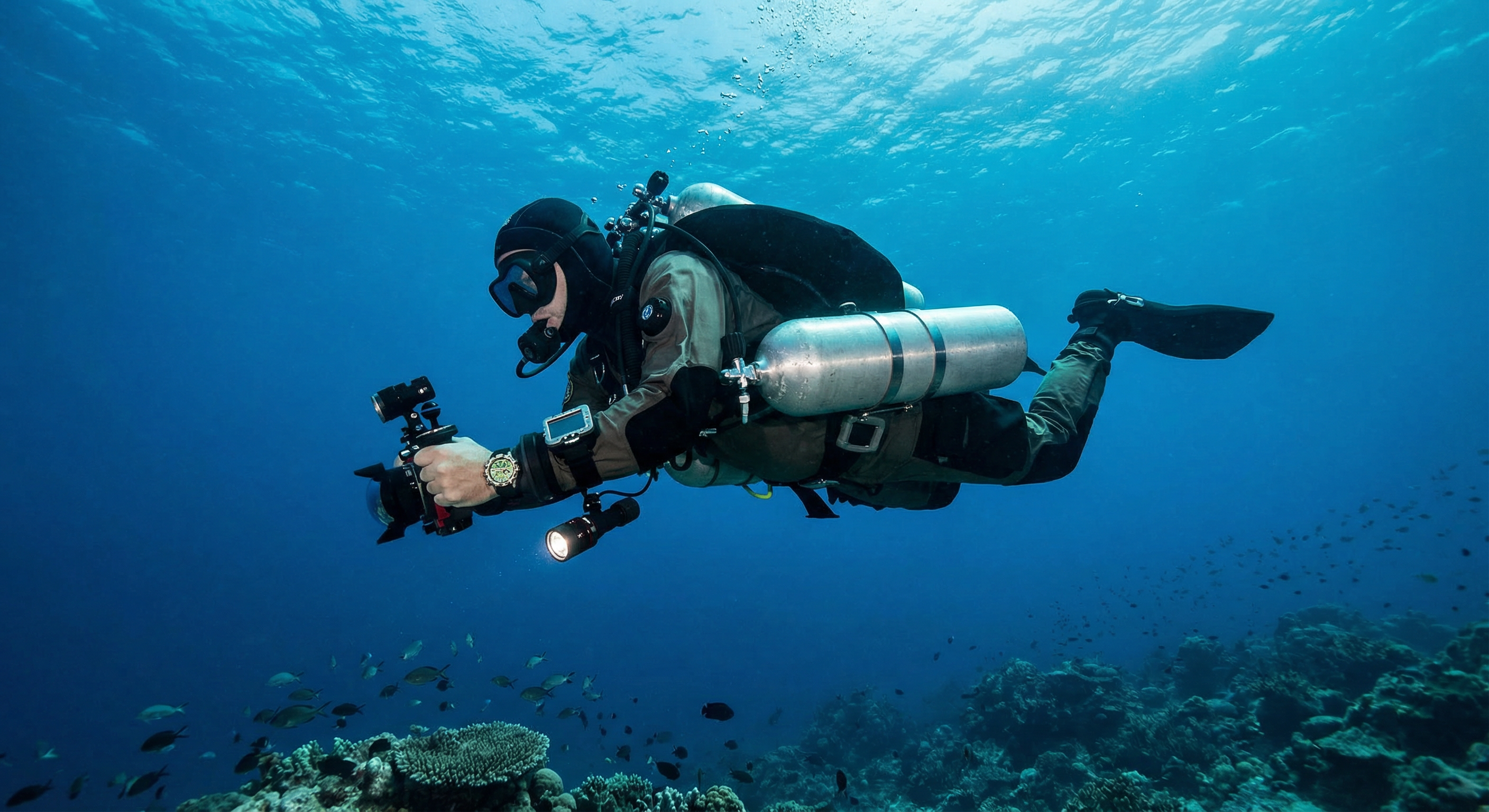
Recreational Sidemount Diver
Recreational Sidemount Diver specialty certification program.
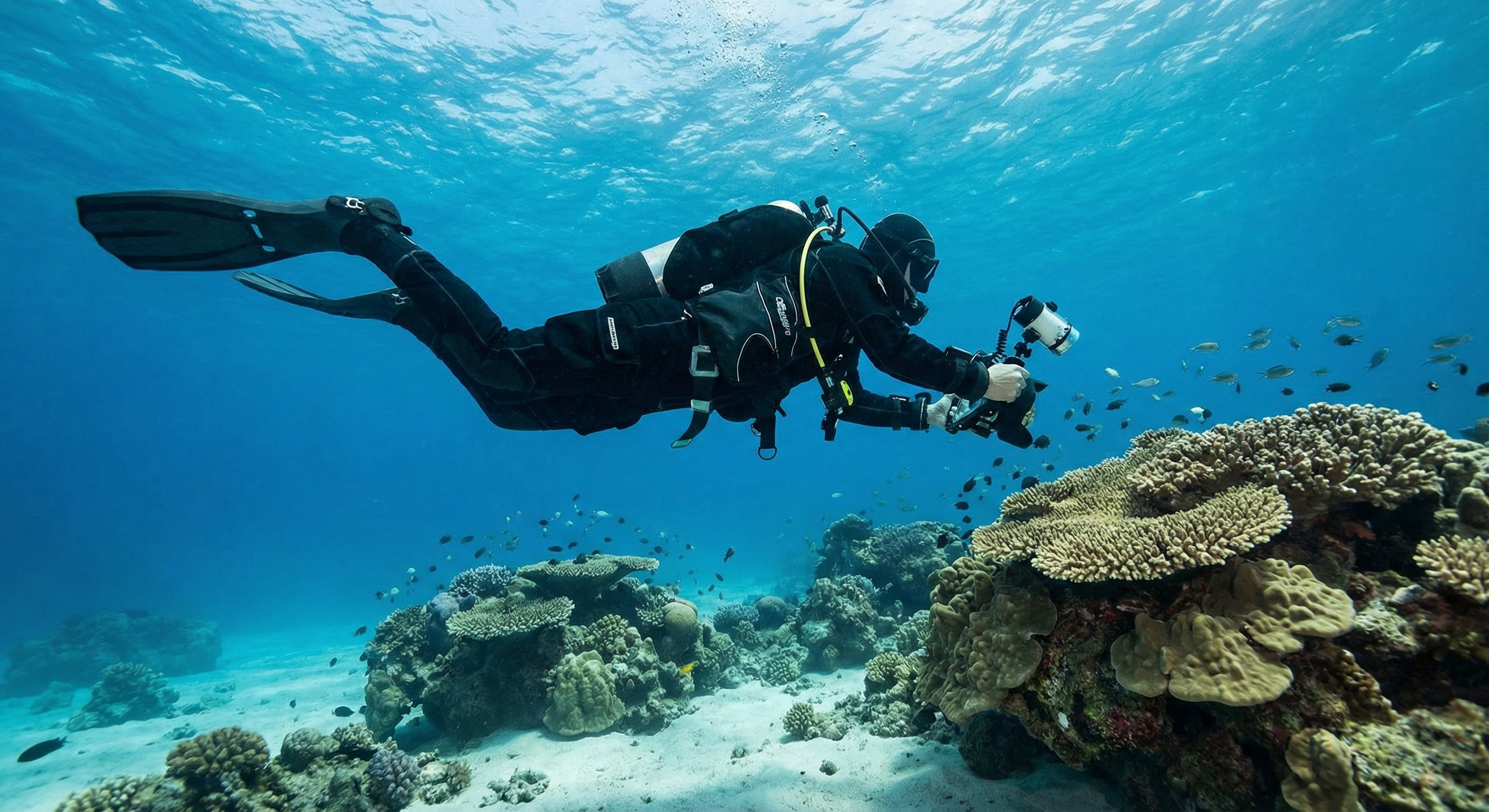
Scuba Diver
This course is a partial certification designed for divers who want formal training but plan to dive under professional supervision. You'll learn essential scuba skills, safety procedures, and basic dive planning. It's a great option for travelers or those who want structured training without full independent-diver responsibilities.
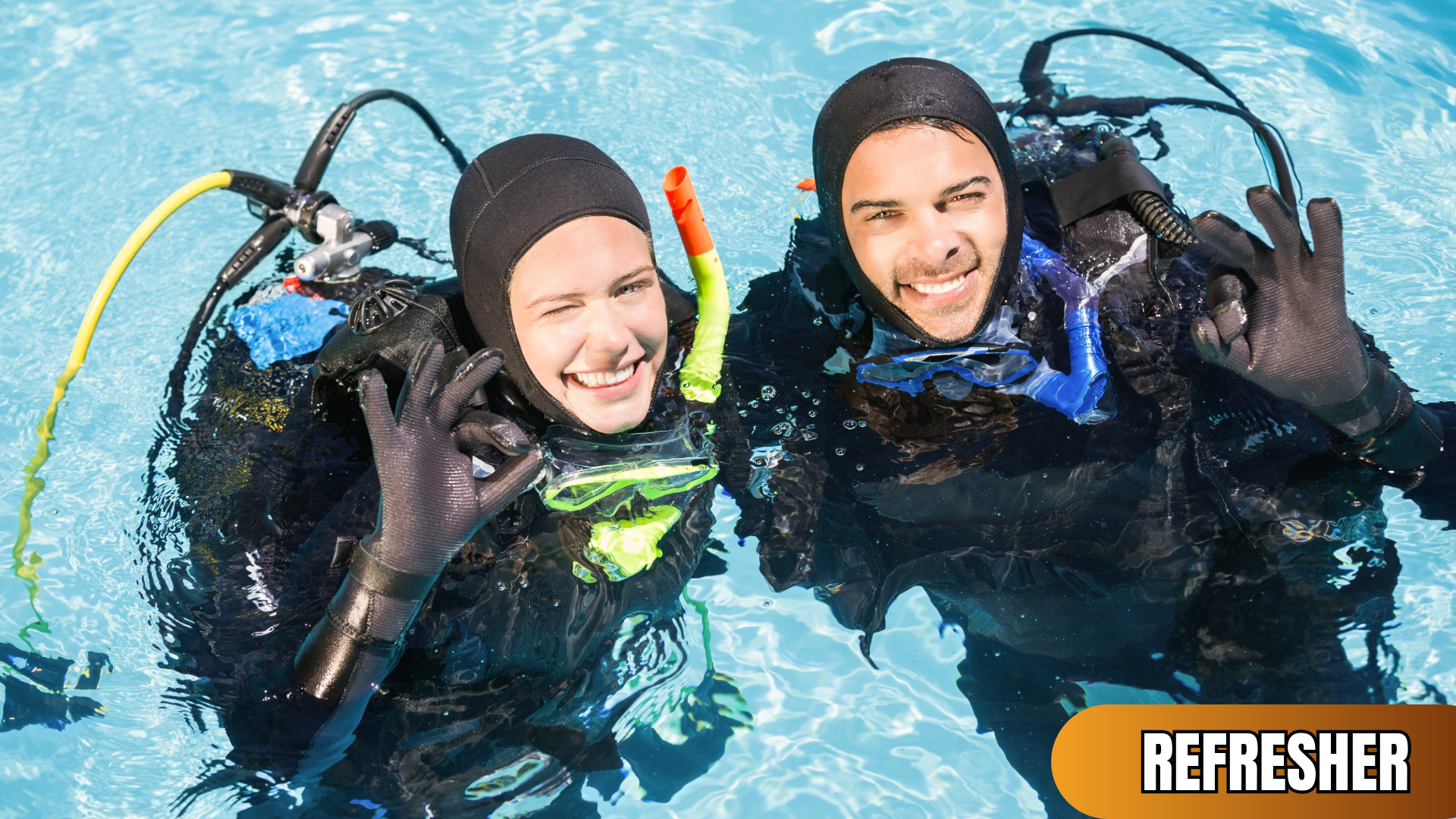
Scuba Skills Refresher
This class is for certified divers who haven't been in the water recently and want to rebuild confidence and proficiency. You'll review core skills such as buoyancy, mask clearing, regulator recovery, and emergency procedures. The session is tailored to your experience level and focuses on safe, comfortable diving.
Search & Recovery Diver
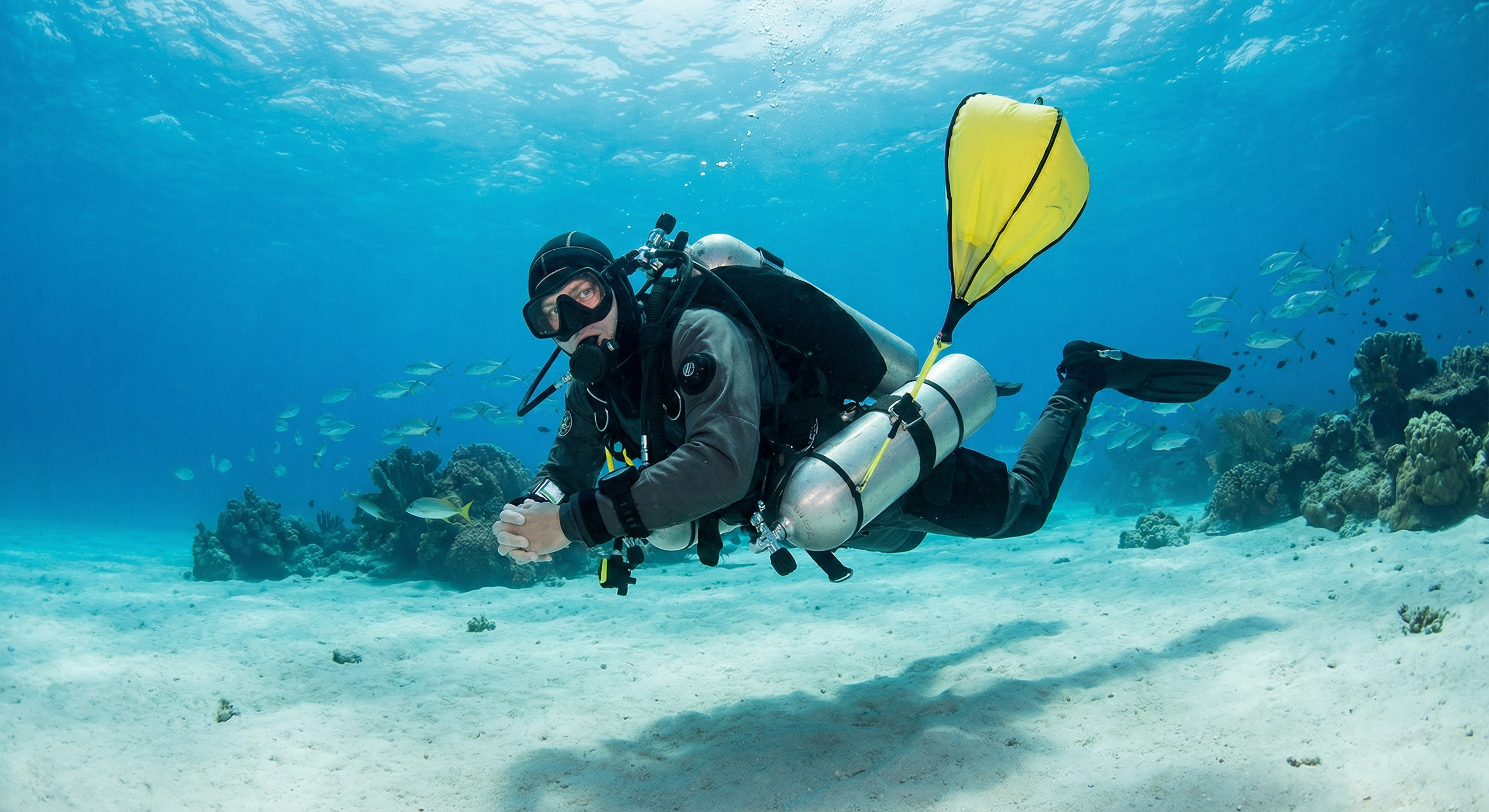
Search & Recovery Diver specialty certification program.
Try Scuba
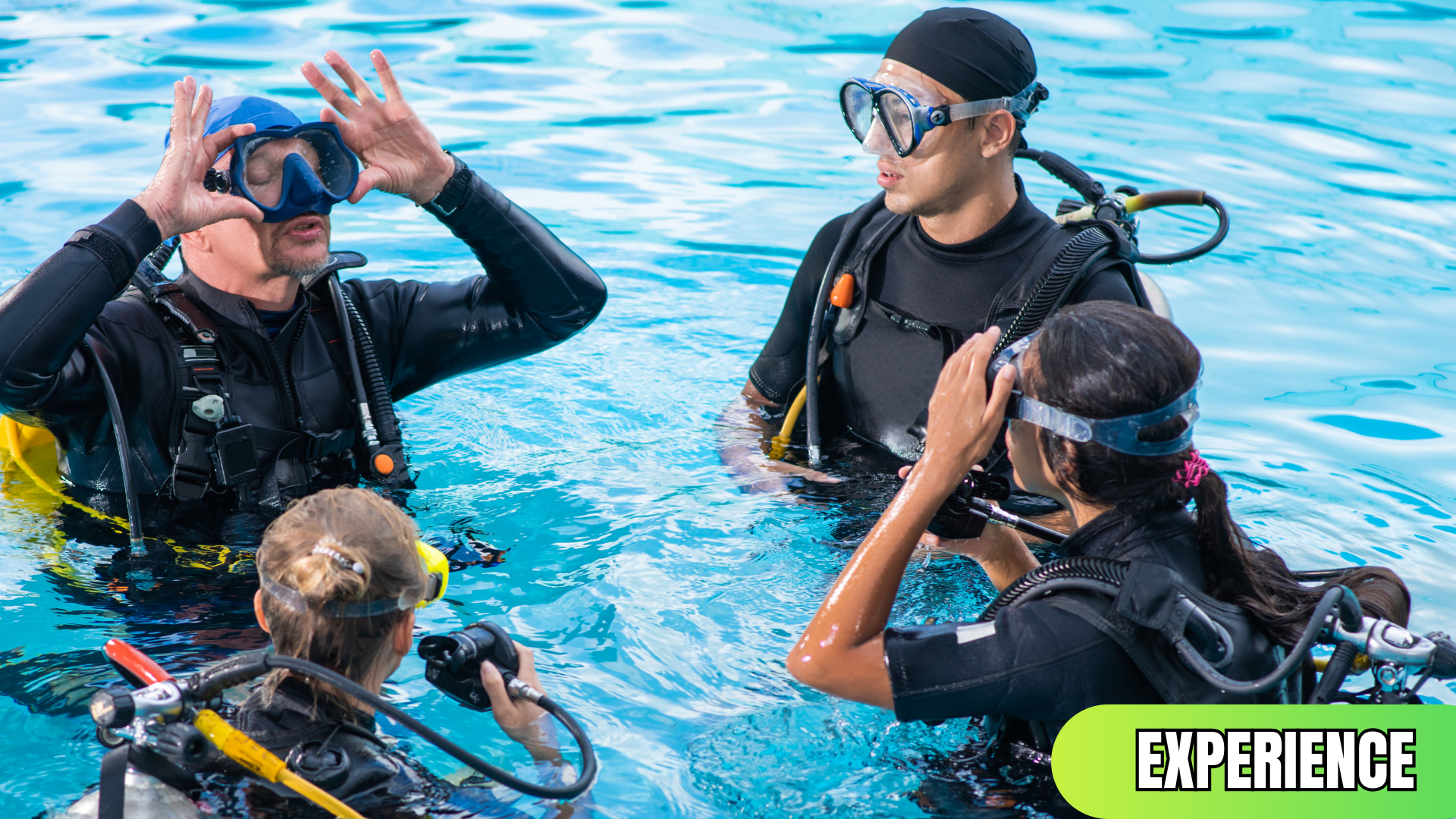
Try Scuba is an introductory experience designed to let you breathe underwater and experience scuba in a safe, controlled setting. You'll receive basic instruction, learn how the equipment works, and perform simple skills before entering the water. No prior experience is required, and it's the easiest way to see if scuba diving is for you.
Wreck / Advanced Wreck Diver
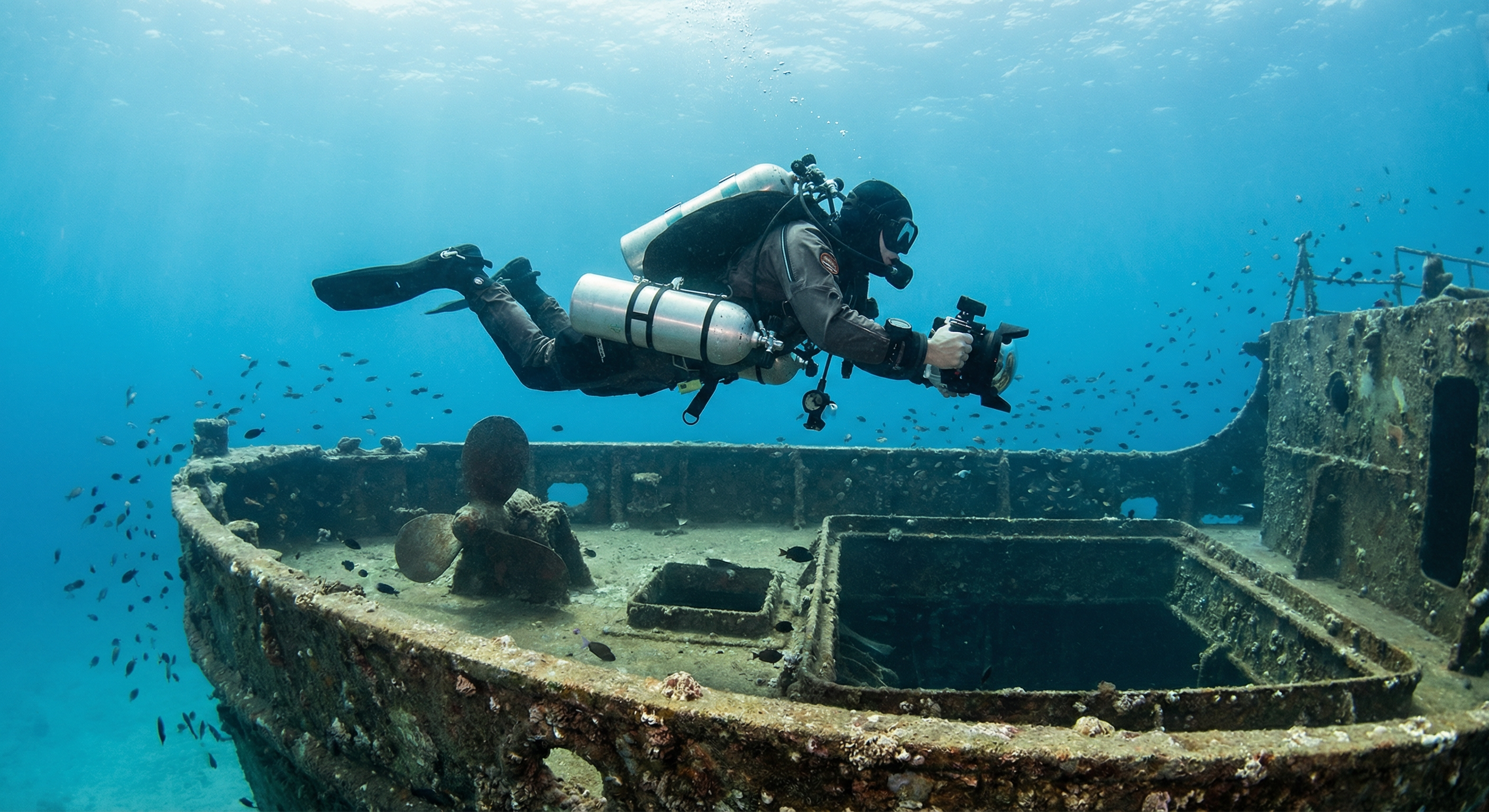
The Advanced Wreck Diver course takes you beyond the skin of the wreck and into penetration and into true overhead wreck environments using structured planning, redundant gas management, guideline protocols, and advanced buoyancy control. You’ll learn reel and line handling, gas planning with rule-of-thirds or more conservative strategies, emergency procedures for lost line or zero visibility, and team communication inside confined spaces. Through multiple training dives, you’ll build the discipline, precision, and mindset required to safely explore deeper and more complex wreck interiors while managing real overhead risk.